If You’ve Ever Searched “Gyms Near Me,” This Question Comes Up Fast
Most people start their fitness journey the same way.
They Google gyms near me, scroll through options, compare prices, look at photos, and then get stuck.
Do I join a traditional gym?
Or do I try group training?
Both can work.
But they work very differently, and understanding those differences matters more than most people realize.
After working with thousands of beginners, former athletes, busy professionals, and parents, one thing is clear:
People don’t struggle because they choose the wrong workout.
They struggle because they choose the wrong environment.
What a Traditional Gym Is Built For
A traditional gym is designed around access and independence.
Typically, you get:
- Open access to equipment
- Freedom to work out whenever you want
- A wide range of machines and weights
- Minimal structure or guidance
- Low day-to-day accountability
For some people, this works well.
If you’re highly self-motivated, already know how to program workouts, and enjoy training alone, a gym can be a great option.
But for many people, that same freedom becomes the challenge.
What Group Training Is Built For
Group training is designed around structure and consistency.
Instead of walking in and figuring it out, you get:
- A planned workout every session
- A coach leading and guiding the class
- A set start and finish time
- Built-in progressions and modifications
- Other people training alongside you
Group training removes decision fatigue.
You don’t ask “What should I do today?”
You just show up and train.
For people who have struggled staying consistent in the past, this structure often makes all the difference.
Structure vs. Flexibility
One of the biggest differences comes down to how much structure you want.
Gyms offer flexibility.
You choose the time.
You choose the workout.
You choose the pace.
Group training offers structure.
The workout is planned.
The coach sets the tone.
The class creates momentum.
Neither is better or worse — but one may fit your personality and lifestyle better than the other.
People who value routine, accountability, and efficiency often thrive in group training environments.
Coaching and Feedback
In most gyms, coaching is optional or limited to personal training sessions.
In group training, coaching is built in.
- Movements are demonstrated
- Form is corrected
- Modifications are offered
- Progressions are encouraged
This is especially important for beginners or anyone returning after time off.
Good coaching doesn’t just improve results — it reduces injury risk and builds confidence.
Motivation vs. Accountability
Motivation is internal.
Accountability is external.
Gyms rely heavily on motivation.
You go when you feel like it.
You push as hard as you choose.
Group training relies on accountability.
There’s a class waiting.
There’s a coach expecting you.
There’s a community that notices when you’re there and when you’re not.
For many people, that external accountability is what turns good intentions into consistent action.
Time Efficiency
Most people underestimate how much time they waste in a gym.
Between deciding what to do, setting up equipment, resting too long, and getting distracted, workouts can stretch far longer than planned.
Group training sessions are typically time-boxed.
You show up.
You train.
You finish.
For busy adults, this efficiency can be the difference between staying consistent and falling off entirely.
Community and Environment
This may be the most overlooked difference.
Gyms are often anonymous.
You train around people, not with them (unless you have a planned workout partner or trainer)
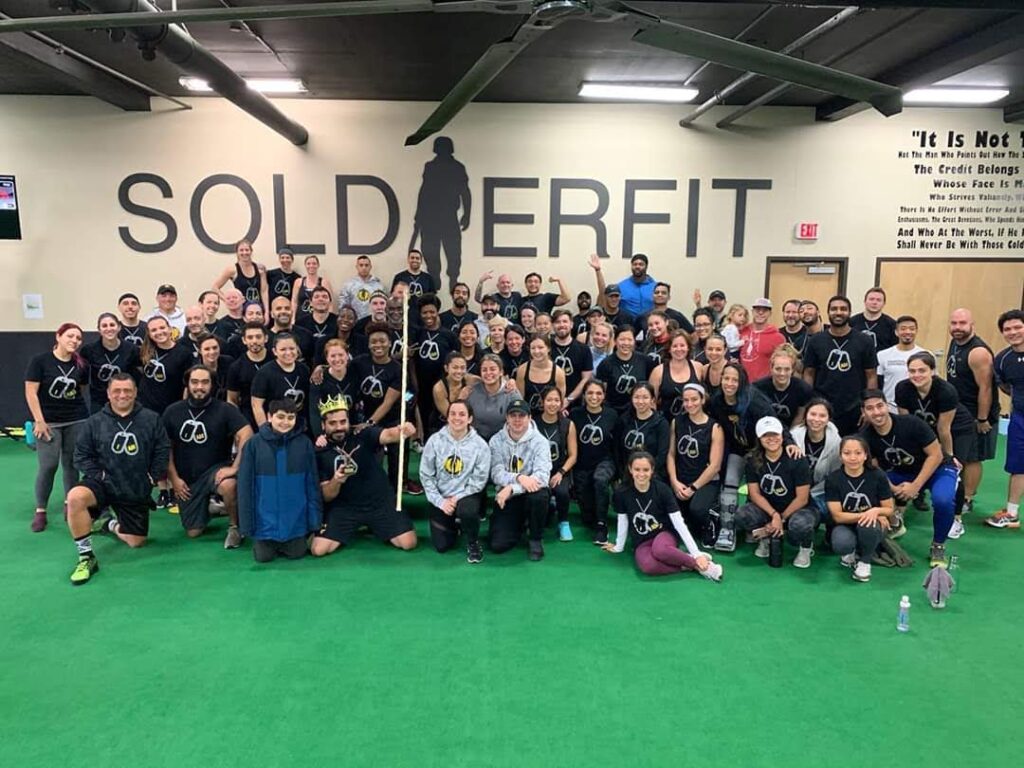
Group training is communal.
You train together.
You struggle together.
You celebrate progress together.
That sense of belonging doesn’t just make workouts more enjoyable, it makes consistency easier and progress more sustainable.
So Which One Is Right for You?
A traditional gym may be a great fit if you:
- Enjoy training alone
- Already know how to program workouts
- Prefer complete flexibility
- Are self-directed and highly disciplined
Group training may be a better fit if you:
- Want structure and guidance
- Have struggled staying consistent in the past
- Value coaching and accountability
- Want to make fitness part of your routine, not another decision
The best option isn’t the one with the most equipment.
It’s the one you’ll actually stick with.
Final Thought
Getting in shape isn’t about finding the “perfect workout.”
It’s about choosing an environment that supports your habits, your schedule, and your mindset.
When your environment is aligned with who you are and how you live, progress stops feeling like a fight.
If you’ve tried gyms before and struggled to stay consistent, it may not be a motivation issue.
It may simply be a structure issue.
And structure changes everything.